Vibe coding:
why it fails, and how to fix it
You were promised AI would build your ideas. Instead, you got an unholy mess of spaghetti code. It's not your fault: you're just not putting the AI to work under the best conditions.
The spaghetti mess problem
You were promised AI would build ideas for you, but all you got was an unholy mess of spaghetti code: things so tangled they're impossible to unravel.
Maybe you've tried Lovable, v0, or Bolt, and were excited at first – but ended up suffocated under a pile of errors. Fix one thing, break 10. You reached a point where it was impossible to add new features, and were left with a half-baked project you can't work on anymore.
It's not your fault — you're just not putting the AI to work under the best conditions for success.

The ticking timebomb of AI slop
Fully AI-generated code may get you in trouble. While pressing tab, tab, tab without much thinking you're introducing security holes: unauthenticated services, plaintext credentials, misconfigurations...
It's just a matter of time until you're in the headline of the next data breach scandal (remember the Tea app?). You're creating mountains of technical debt that would take a senior engineer months and thousands of dollars to fix.
Vibe coding without structure works for quick demos, but fails for real-world software. There's a better way.

Start from a solid foundation (not thin air)
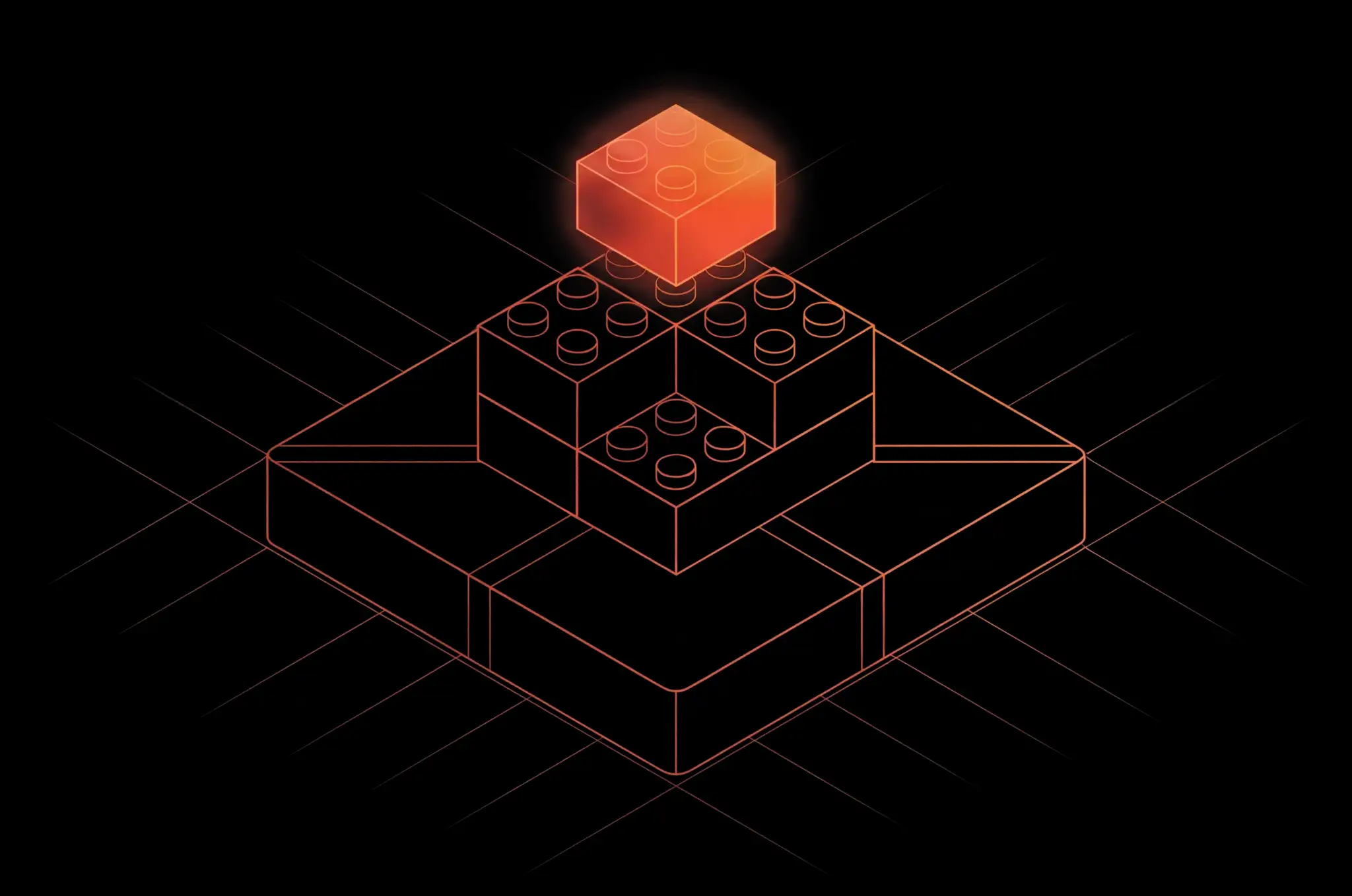
Give the AI a blank canvas, and it gets lost. Give it a proven, well-designed structure with clear boundaries, guardrails, and rich context... and it will absolutely smash it.
Stop building on thin air
RailsFast gives you the solid foundation you need for successful vibe coding. Auth, payments, deployment — already done and battle-tested.
Get RailsFast